zone 10b planting guide
Zone 10b Planting Guide: A Comprehensive Overview (Updated December 12, 2025)
Welcome to the ultimate resource for thriving gardens in Zone 10b! This guide, updated today, December 12, 2025, empowers you to embrace year-round edible gardening.
Discover how to leverage the unique climate, utilizing a planting calendar and garden journal for optimal success.
We’ll explore heirloom varieties and microclimates, ensuring continuous harvests through strategic succession planting and effective pest management.
Understanding Zone 10b Climate
Zone 10b represents a subtropical climate characterized by mild winters and hot summers, offering a remarkably long growing season. The average minimum winter temperature falls between 30°F and 35°F (-1.1°C and 1.7°C), allowing for year-round gardening possibilities, though frost events are infrequent but possible.
Humidity levels are generally moderate to high, particularly during the warmer months. Rainfall patterns vary, but Zone 10b typically experiences a distinct wet and dry season. Understanding these nuances is crucial for successful planting. The extended warmth enables multiple planting schedules throughout the year, unlike colder zones with limited windows.
Gardeners in Zone 10b benefit from the ability to cultivate both cool-season and warm-season crops with careful calendar planning. However, the intense summer heat necessitates providing shade and adequate hydration for sensitive plants. This climate demands attention to soil health and water conservation strategies for optimal results.
Key Characteristics of Zone 10b Gardens
Zone 10b gardens are defined by their lush, almost tropical appearance, showcasing a vibrant array of plants due to the extended growing season. A defining characteristic is the potential for year-round harvests, facilitated by strategic planting and succession planting techniques.
Soil composition often leans towards sandy or loamy, requiring consistent amendment with organic matter to improve water retention and nutrient availability. Gardens frequently incorporate raised beds or container gardening to enhance drainage and control soil quality.
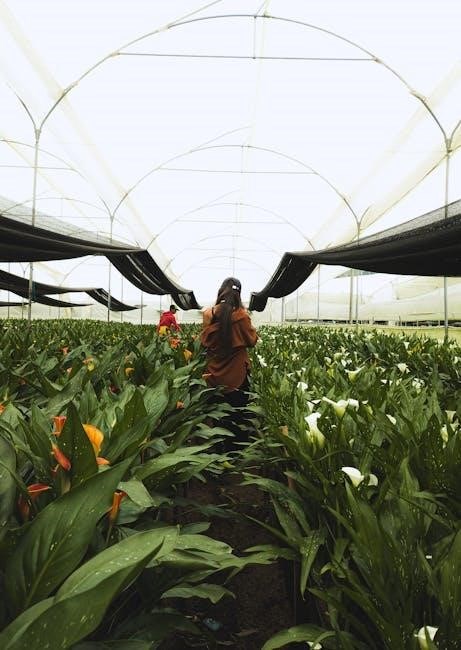
Successful Zone 10b gardens prioritize heat-tolerant varieties and employ shading strategies during peak summer months. Careful attention to pest management is essential, as the warm climate supports year-round insect activity. A well-maintained garden journal becomes invaluable for tracking successes and adapting to the unique challenges of this climate.
Year-Round Gardening Potential
Zone 10b boasts an unparalleled advantage: the ability to cultivate gardens throughout the entire year. Mild winters allow for continuous growth of cool-season crops, while warm summers support a wide range of heat-loving vegetables and fruits. This extended growing season necessitates a carefully planned planting calendar to maximize yields.
Strategic succession planting is crucial, ensuring a constant supply of fresh produce. Utilizing a garden journal to track planting dates and harvest times becomes essential for optimizing this continuous cycle.
Gardeners can transition seamlessly between cool and warm-season crops, often interplanting for efficient space utilization. While frost is rare, occasional cold snaps require protective measures. Embracing this year-round potential transforms gardening into a fulfilling, sustainable lifestyle.
Best Vegetables to Plant in Zone 10b
Zone 10b’s climate supports a diverse array of vegetables, offering options for every season. Warm-season vegetables like tomatoes, peppers, eggplant, and squash thrive during the warmer months, producing abundant harvests. Simultaneously, consider planting heat-tolerant varieties of beans and cucumbers.
Don’t overlook cool-season vegetables! Broccoli, cabbage, kale, spinach, and lettuce flourish in the milder winter months. Root vegetables like beets, carrots, and radishes also perform exceptionally well.
Shallots and spring onions can be sown from seed even in December. Brussels sprouts, cauliflower, and collard greens are also excellent choices. Careful planning, guided by a planting calendar, ensures a continuous supply of fresh, homegrown produce throughout the year.
Cool-Season Vegetables
Zone 10b gardeners enjoy a prolonged cool season, ideal for a wide variety of vegetables. Leafy greens like spinach, kale, lettuce, and collard greens thrive in the milder temperatures, offering continuous harvests with succession planting.

Root vegetables, including beets, carrots, radishes, and turnips, also excel during this time. Brassicas such as broccoli, cabbage, cauliflower, and Brussels sprouts benefit from the cooler conditions.
Consider planting shallots and spring onions as well. These cool-season crops provide essential nutrients and vibrant flavors to your meals. Remember to monitor for pests and adjust watering strategies as needed to ensure optimal growth and a bountiful yield throughout the cooler months.
Warm-Season Vegetables
Zone 10b’s extended warm season allows for a diverse range of heat-loving vegetables. Tomatoes, peppers, eggplants, and cucumbers flourish with ample sunshine and consistent warmth, providing abundant harvests throughout the summer and into fall.
Beans, both bush and pole varieties, thrive in these conditions, offering a continuous supply of fresh produce; Squash and zucchini are also excellent choices, growing rapidly and producing generously.
Don’t overlook the potential for sweet potatoes and okra, which particularly enjoy the heat. Careful soil preparation and consistent watering are crucial for success. Monitor for pests and diseases, and utilize appropriate pest management techniques to protect your valuable crops during the warmer months.
Zone 10b Planting Calendar: Month-by-Month Guide
Zone 10b offers a unique advantage: nearly year-round gardening! However, following a planting calendar maximizes yields. January-February is ideal for shallots, spinach, and spring onions. March-April welcomes beets, broccoli, and cabbage. May-June is prime time for beans, cucumbers, and squash.
July-August, despite the heat, allows for continued planting of heat-tolerant varieties. September-October brings opportunities for cool-season crops like collards and kale. November-December is excellent for more spinach and shallots, preparing for winter harvests.
Remember, this is a general guide. A garden journal helps tailor the schedule to your specific microclimate. Consistent monitoring and adjustments based on weather patterns are key to a successful, continuous harvest throughout the year.
January ⸺ February Planting
January and February in Zone 10b represent a fantastic window for initiating several crops, capitalizing on milder temperatures. This period is particularly well-suited for sowing seeds of shallots (including eschalots) directly into the garden, ensuring a flavorful harvest later in the year.
Spinach, both standard and English varieties, thrives when seeded during these months, providing a nutritious and leafy green addition to your meals. Similarly, spring onions, also known as scallions or bunching onions, benefit from early planting.
Consider starting seeds indoors for warm-season vegetables to get a head start. Remember to consult your garden journal and adjust based on local weather conditions. Consistent moisture is crucial during germination.
March ⸺ April Planting
March and April in Zone 10b mark a transition period, offering opportunities for both cool and warm-season plantings. This is an excellent time to expand your cool-season vegetable selection, including beets, broccoli, Brussels sprouts, cabbage, cauliflower, collards, kale, and mustard greens. These crops will flourish in the gradually warming temperatures.
As the soil warms, begin direct sowing of beans and carrots. Consider starting tomato, pepper, and eggplant seedlings indoors to transplant later. Careful monitoring of the weather is essential, as occasional cool snaps can still occur.
Utilize your planting calendar to track progress and ensure timely succession planting for continuous harvests. Remember to amend the soil with compost for optimal growth and nutrient availability;
May ⸺ June Planting
May and June in Zone 10b are prime months for establishing warm-season crops. With consistently warm temperatures, it’s time to transplant those tomato, pepper, and eggplant seedlings started earlier. This is also the ideal period for direct sowing of beans, corn, and squash.

Continue succession planting of heat-tolerant greens like okra and Southern peas. Monitor for pests, as insect activity increases with the warmer weather. Consistent watering is crucial, especially for newly transplanted seedlings.
Refer to your garden journal to note planting dates and observe plant performance. Consider utilizing companion planting techniques to deter pests and enhance growth. Remember, Zone 10b allows for nearly year-round gardening, so plan for subsequent plantings!
July, August Planting
July and August in Zone 10b present a unique opportunity for a second planting of many warm-season vegetables. While temperatures are high, careful planning and consistent watering can yield successful harvests. Consider planting heat-tolerant varieties of beans, corn, and squash for a fall crop.
This is an excellent time to start seeds indoors for cool-season vegetables that will be transplanted in the fall. Monitor plants closely for stress due to heat and pests. Mulching heavily will help retain moisture and regulate soil temperature.
Utilize your garden journal to track rainfall and adjust watering schedules accordingly. Succession planting of quick-maturing crops like radishes and lettuce can provide continuous harvests throughout the summer and into fall.
September ⸺ October Planting
September and October mark a transition period in Zone 10b, offering ideal conditions for both warm-season continuation and cool-season initiation. This is a prime time to direct sow seeds for many leafy greens like spinach, kale, and collards, benefiting from the cooling temperatures.
Continue planting root vegetables such as beets, carrots, and turnips. It’s also a good moment to plant broccoli, Brussels sprouts, and cabbage, ensuring a winter harvest. Consider a second planting of peas for a late-winter yield.
Monitor for pests as temperatures fluctuate. Consistent soil preparation and amending with compost will support healthy growth. Refer to your planting calendar and garden journal to optimize timing based on previous years’ observations.
November — December Planting
Despite being the cooler months, Zone 10b allows for continued gardening throughout November and December! This period is excellent for sowing shallots and spinach seeds directly into the garden, capitalizing on the mild temperatures. Spring onions (scallions) also thrive with winter sowing.

Focus on cool-season crops; consider planting garlic for a summer harvest. Continue succession planting of leafy greens like kale and collards for a steady supply. Monitor soil moisture carefully, as rainfall may be less frequent.
Utilize your garden journal to track microclimate variations within your garden. Remember that while Zone 10b offers year-round potential, careful planting and consistent watering strategies are crucial for success during these months.
Succession Planting for Continuous Harvests
Maximize your Zone 10b garden’s productivity with strategic succession planting! This technique involves staggering planting times for the same crop, ensuring a continuous harvest rather than a single large yield. For example, sow lettuce seeds every two to three weeks.
Consider planting fast-maturing vegetables like radishes and spinach between slower-growing crops. Utilize the space efficiently by following the initial harvest with a new planting. A well-planned planting calendar is essential for successful succession.

Your garden journal will become invaluable for tracking planting dates and observing optimal intervals. Remember, Zone 10b’s mild climate allows for nearly year-round succession, offering a consistent supply of fresh produce.
Soil Preparation and Amendment for Zone 10b
Zone 10b gardens thrive with well-prepared, nutrient-rich soil. Begin by clearing the planting area of debris and weeds. Soil testing is crucial to determine pH levels and nutrient deficiencies. Ideally, aim for a slightly acidic to neutral pH between 6.0 and 7;0.
Amendments are key! Incorporate generous amounts of organic matter like compost, well-rotted manure, or leaf mold to improve drainage and fertility. Sandy soils benefit from added organic matter to retain moisture, while clay soils need it to improve aeration.
Consider adding slow-release fertilizers to provide a steady supply of nutrients. Regularly amending the soil, as documented in your garden journal, will ensure long-term health and productivity for your Zone 10b garden.
Watering Strategies for Zone 10b Gardens
Consistent and efficient watering is vital in Zone 10b’s warm climate. Due to potentially high temperatures, monitoring soil moisture is crucial – don’t rely solely on a schedule. Deep, infrequent watering encourages strong root development, making plants more resilient.
Drip irrigation and soaker hoses are highly recommended, delivering water directly to the roots and minimizing water loss through evaporation. Mulching heavily with organic materials like straw or wood chips helps retain soil moisture and suppress weeds.
Pay close attention to rainfall and adjust watering accordingly. Record your watering practices in your garden journal to refine your strategy over time, optimizing water usage for a thriving Zone 10b garden.
Pest and Disease Management in Zone 10b
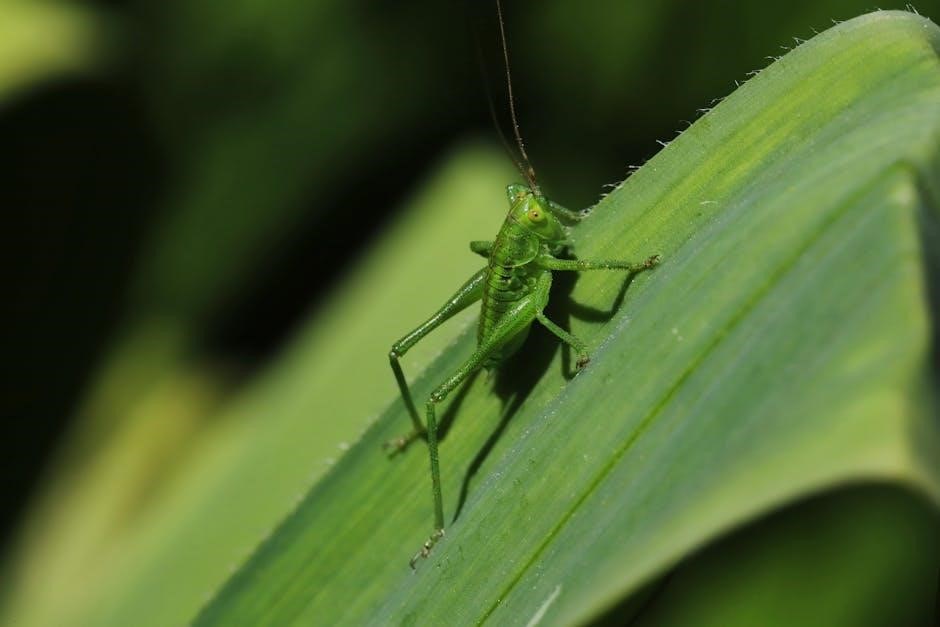
Zone 10b’s mild winters can allow pests and diseases to persist year-round, demanding proactive management. Regularly inspect plants for signs of infestation or disease, addressing issues promptly to prevent widespread problems.
Encourage beneficial insects like ladybugs and lacewings, which prey on common garden pests. Companion planting can also deter pests and attract beneficials. Organic pest control methods, such as insecticidal soap or neem oil, are preferred over harsh chemicals.
Good air circulation, achieved through proper plant spacing, helps prevent fungal diseases. Maintaining healthy soil through soil preparation and amendment strengthens plants’ natural defenses. Detailed observations recorded in your garden journal will help you identify patterns and refine your approach.
Utilizing a Garden Journal for Zone 10b Success
A garden journal is an invaluable tool for Zone 10b gardeners, given the extended growing season and unique climate challenges. Meticulously record planting dates, varieties used, and observed growth patterns. Note weather conditions, including rainfall and temperature fluctuations, and their impact on your plants.

Document pest and disease occurrences, along with the control methods employed and their effectiveness. Track harvest yields to assess the success of different varieties and planting times. Over time, your journal becomes a personalized guide, allowing you to tweak your gardening plans and planting calendar.
This historical data empowers informed decisions, optimizing your succession planting schedule and maximizing your harvests year after year. It’s a powerful resource for continuous improvement!
Recommended Resources for Zone 10b Gardeners
Expanding your knowledge is key to Zone 10b gardening success! Several excellent resources can guide you. Explore the Kellogg Garden website (www.kellogggarden.com) for comprehensive planting charts tailored to your zone, offering month-by-month guidance.
Heirloom Potagers provides custom garden growing guides, focusing on seasonal eating and year-round planting with edible varieties. Gardenate (www.gardenate.com) offers specific planting information, even detailing what to sow in December, like shallots and spinach.
Local nurseries and agricultural extension offices are invaluable for region-specific advice. Online gardening forums and communities provide opportunities to connect with fellow Zone 10b gardeners, sharing experiences and tips. Embrace these resources to cultivate a thriving garden!
Heirloom Varieties for Zone 10b
Zone 10b’s mild climate is ideal for cultivating a diverse range of heirloom vegetables. These open-pollinated varieties offer unique flavors and resilience, often surpassing modern hybrids in taste and adaptability.
Consider ‘Cherokee Purple’ tomatoes for exceptional flavor, or ‘Moon and Stars’ watermelons, a visually stunning and delicious choice. Heirloom Potagers specifically emphasizes embracing seasonal eating with these varieties. Explore ‘Kentucky Wonder’ pole beans for a prolific harvest and ‘Brandywine’ tomatoes, known for their large size and rich taste.
Heirloom peppers, like ‘Fish Pepper,’ add both heat and visual appeal. Prioritize varieties suited to warm temperatures and humidity. Sourcing from reputable seed suppliers ensures authenticity and quality, maximizing your heirloom gardening experience in Zone 10b.
Microclimates within Zone 10b and Their Impact
Zone 10b isn’t uniform; subtle microclimates significantly influence gardening success. These localized areas experience different temperature, humidity, and sunlight levels, impacting plant growth.
South-facing walls create warmer microclimates, ideal for heat-loving plants like tomatoes and peppers. Conversely, shaded areas under trees offer cooler conditions suitable for leafy greens and root vegetables. Coastal areas experience higher humidity and salt spray, requiring salt-tolerant varieties.

Understanding these variations allows for strategic plant placement. Utilize windbreaks to protect sensitive plants and consider raised beds to improve drainage in poorly drained areas. A garden journal helps track microclimate effects, refining your planting strategy over time for optimal yields throughout Zone 10b.