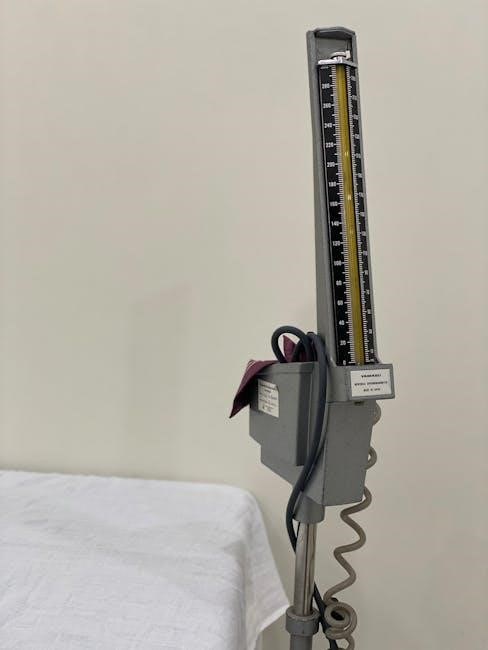
pdf free printable simple blood pressure log
Understanding Blood Pressure & Logging
Monitoring blood pressure is crucial for health, and utilizing a free printable log simplifies this process. Consistent tracking aids in early detection and effective management.
What is Blood Pressure?
Blood pressure represents the force of your blood pushing against the walls of your arteries. It’s a vital sign, reflecting the heart’s efficiency and the resistance within your circulatory system. Untreated high blood pressure, or hypertension, can silently damage the body for years, potentially leading to severe health issues like heart attacks and strokes.
Regular monitoring is key, and a free printable blood pressure log can be an invaluable tool. Understanding your numbers empowers you to take control of your health. It’s measured in millimeters of mercury (mm Hg), with two numbers – systolic and diastolic – providing a complete picture of your cardiovascular health. Early detection through consistent logging is paramount.
Systolic vs. Diastolic Readings
Blood pressure readings consist of two numbers: systolic and diastolic. The systolic pressure, the higher number, measures the force when your heart beats, pushing blood through arteries. Conversely, diastolic pressure, the lower number, reflects the pressure in arteries when the heart rests between beats.
Both readings are crucial for assessing cardiovascular health. A free printable blood pressure log allows for consistent tracking of both values, providing a comprehensive overview. Understanding these distinctions is vital, as both high systolic and diastolic readings can indicate hypertension. Regular logging, using a simple template, helps identify trends and informs necessary lifestyle adjustments or medical intervention.

Why Track Your Blood Pressure?
Consistent monitoring with a printable log enables early hypertension detection, assesses treatment effectiveness, and empowers proactive health management for improved well-being.
Early Detection of Hypertension
Hypertension, often called high blood pressure, frequently develops without noticeable symptoms, earning it the nickname “silent killer.” Regular blood pressure monitoring, facilitated by a free printable log, is paramount for early detection. This proactive approach allows individuals to identify potential issues before they escalate into serious health complications like heart attack or stroke;
A printable log empowers you to track readings over time, revealing trends that might otherwise go unnoticed. Consistent monitoring provides valuable data for healthcare professionals, enabling them to make informed decisions regarding preventative measures or treatment plans. Early intervention significantly improves outcomes and quality of life, emphasizing the importance of routine checks and diligent logging.
Monitoring Treatment Effectiveness
Lifestyle changes and medication are common approaches to managing blood pressure. A free printable blood pressure log becomes an invaluable tool for assessing how well these treatments are working. Regularly recording your readings allows you and your doctor to objectively evaluate the impact of interventions over time.
By tracking systolic and diastolic values, alongside pulse rate, you can identify patterns and determine if adjustments to your regimen are necessary. This data-driven approach ensures that treatment remains optimized for your individual needs. A consistent log provides concrete evidence of progress, fostering a collaborative relationship with your healthcare provider and empowering you to take control of your health.

Creating Your Printable Blood Pressure Log
Designing a log requires key elements: date, time, systolic/diastolic readings, and pulse. Printable templates offer convenience, aiding consistent tracking for better health management.
Essential Information to Record
When establishing a blood pressure log, consistency and detail are paramount. Beyond simply noting numbers, a comprehensive record empowers both you and your healthcare provider. At a minimum, each entry should include the date and time of the measurement – blood pressure fluctuates throughout the day, so timing matters.
Crucially, record both the systolic and diastolic values; these two numbers provide a complete picture of your blood pressure. Don’t forget to also document your pulse rate, as it offers additional insight into your cardiovascular health. Some logs also benefit from a space to briefly note any relevant factors, such as medication taken, physical activity prior to measurement, or any symptoms experienced. Utilizing a free printable template ensures all essential fields are readily available, streamlining the logging process and maximizing its usefulness.
Date and Time of Measurement
Accurate recording of the date and time is fundamental to a useful blood pressure log. Blood pressure isn’t static; it naturally varies throughout the day based on activity, stress, and even time of day. Consistent timing – for example, measuring at the same time each morning and evening – provides a more reliable baseline for comparison.
A free printable log should dedicate clear spaces for both elements. Detailed records allow you and your doctor to identify patterns and potential triggers for fluctuations. Noting the time alongside the date helps pinpoint if readings are consistently high or low at specific times. This information is invaluable for assessing treatment effectiveness and making informed healthcare decisions, ensuring a proactive approach to cardiovascular health.
Systolic and Diastolic Values
A free printable blood pressure log must prominently feature columns for recording both systolic and diastolic values, measured in millimeters of mercury (mm Hg). Systolic pressure, the top number, reflects the force when your heart beats. Diastolic, the bottom number, represents the pressure when your heart rests between beats.
Understanding both is crucial, as high blood pressure (hypertension) quietly damages the body over years. Accurate recording allows for comprehensive assessment. A well-designed log provides sufficient space for clear notation, aiding in identifying trends and communicating vital information to healthcare professionals for effective monitoring and treatment adjustments.
Pulse Rate Recording

A comprehensive free printable blood pressure log should include a dedicated column for pulse rate recording. Measured in beats per minute (BPM), pulse rate provides valuable insight alongside systolic and diastolic readings. Changes in pulse rate can indicate underlying health conditions or responses to medication.
Consistent pulse rate tracking, alongside blood pressure, offers a more holistic view of cardiovascular health. This data assists healthcare providers in evaluating overall well-being and tailoring treatment plans effectively. Accurate documentation is key; a clear, well-organized log facilitates informed medical decisions and proactive health management.

Free Printable Blood Pressure Log Templates
Numerous free printable PDF logs are available, ranging from simple table formats for daily tracking to more detailed weekly options for comprehensive monitoring.
Simple Table Format Logs
For those seeking straightforward blood pressure tracking, simple table format logs offer an excellent solution. These logs typically feature columns for date, time of measurement, systolic reading, diastolic reading, and pulse rate. This minimalist approach ensures ease of use, making it ideal for individuals new to blood pressure monitoring or those who prefer a clutter-free recording method.
Many free printable PDF templates available online utilize this format, allowing for quick and efficient data entry. The clear layout facilitates easy review of trends and patterns in blood pressure readings over time. Users can readily identify potential fluctuations and share this information with their healthcare provider. These logs are particularly beneficial for individuals who want a quick visual representation of their blood pressure control.
Downloading and printing these templates is simple, requiring only a PDF reader and a printer. The simplicity of the table format encourages consistent logging, which is vital for effective blood pressure management.
Daily & Weekly Log Options
When choosing a printable blood pressure log, consider your preferred tracking frequency. Daily logs are ideal for individuals requiring close monitoring, perhaps due to recent diagnosis or medication adjustments. These logs provide a detailed record of blood pressure fluctuations throughout the day, aiding in identifying patterns and triggers.
Alternatively, weekly logs offer a broader overview, suitable for those with stable blood pressure seeking to maintain long-term control. Weekly formats condense information, making it easier to spot trends over a longer period. Many free PDF templates offer both daily and weekly options, allowing users to select the format that best suits their needs.
The availability of both formats ensures flexibility and caters to diverse monitoring requirements, promoting consistent tracking and informed healthcare discussions.

Factors Influencing Blood Pressure
Lifestyle choices significantly impact blood pressure; diet, exercise, and stress levels all play a role in maintaining healthy readings, alongside consistent logging.
Lifestyle Factors & Blood Pressure
Numerous lifestyle elements profoundly influence blood pressure, making consistent monitoring with a printable log essential. High blood pressure often develops silently over years, yet lifestyle adjustments can be remarkably effective in prevention and management, potentially reducing or delaying the need for medication.
Specifically, dietary habits play a critical role. A diet rich in fruits, vegetables, and low-fat dairy, while limiting sodium and saturated fats, supports healthy blood pressure. Regular physical activity is equally important; exercise strengthens the cardiovascular system, aiding in efficient blood circulation.
Furthermore, managing stress through techniques like meditation or yoga can positively impact readings. Avoiding tobacco use and limiting alcohol consumption are also vital components of a heart-healthy lifestyle. Tracking these factors alongside blood pressure readings in a log provides valuable insights into personal health patterns.
Dietary Impact on Blood Pressure
Diet significantly impacts blood pressure, making careful food choices essential for maintaining healthy levels. A dietary approach focused on reducing sodium intake is paramount, as excess sodium contributes to fluid retention and increased blood volume. Conversely, increasing potassium intake can help balance sodium’s effects.
Emphasizing fruits, vegetables, and whole grains provides essential nutrients that support cardiovascular health. The Dietary Approaches to Stop Hypertension (DASH) diet, rich in these foods, is often recommended. Limiting saturated and trans fats is also crucial, as they contribute to plaque buildup in arteries.
Regularly logging dietary habits alongside blood pressure readings – using a printable log – can reveal correlations between food intake and blood pressure fluctuations, empowering individuals to make informed dietary adjustments.
The Role of Exercise
Regular physical activity plays a vital role in managing blood pressure, strengthening the cardiovascular system and improving overall health. Exercise helps lower both systolic and diastolic blood pressure readings, reducing the strain on blood vessels. Aim for at least 150 minutes of moderate-intensity or 75 minutes of vigorous-intensity aerobic exercise weekly.
Incorporating activities like brisk walking, jogging, swimming, or cycling into your routine can yield significant benefits. Strength training exercises are also valuable, contributing to muscle mass and improved metabolic health. Consistent exercise, tracked alongside blood pressure in a log, demonstrates a clear positive correlation.
Monitoring your blood pressure before and after exercise, using a printable log, can help you understand how your body responds and adjust your workout accordingly.

Recognizing High and Low Blood Pressure
Understanding hypertension and hypotension is key to health; a printable log helps identify trends and potential issues, prompting timely medical evaluation if needed.
Understanding Hypertension (High Blood Pressure)

Hypertension, often called high blood pressure, can remain undetected for years without noticeable symptoms, silently damaging the body. Consistent monitoring with a printable blood pressure log is therefore vital. Blood pressure is measured in millimeters of mercury (mm Hg), with readings above 130/80 mmHg generally considered high.
Lifestyle factors significantly influence hypertension. A free printable log empowers individuals to track readings alongside lifestyle changes – diet, exercise, and stress management – to assess their impact. Untreated high blood pressure dramatically increases the risk of severe health complications, including heart attack, stroke, and kidney failure. Regular logging provides valuable data for healthcare professionals to tailor effective treatment plans, potentially delaying or even preventing the need for medication.
Understanding Hypotension (Low Blood Pressure)
Hypotension, or low blood pressure, isn’t always a cause for concern, but it can signal underlying issues. Sometimes, it becomes life-threatening, stemming from dehydration or serious medical conditions. A printable blood pressure log helps identify patterns and potential triggers. Types include orthostatic (postural) hypotension, a drop upon standing.
Tracking readings with a free printable log is crucial for understanding individual variations. While high blood pressure often demands immediate attention, consistently low readings warrant investigation. It’s important to determine the cause to enable appropriate treatment. Symptoms can include dizziness, fainting, blurred vision, and nausea. Regular monitoring, documented in a log, provides valuable information for medical professionals.
When to Seek Medical Attention
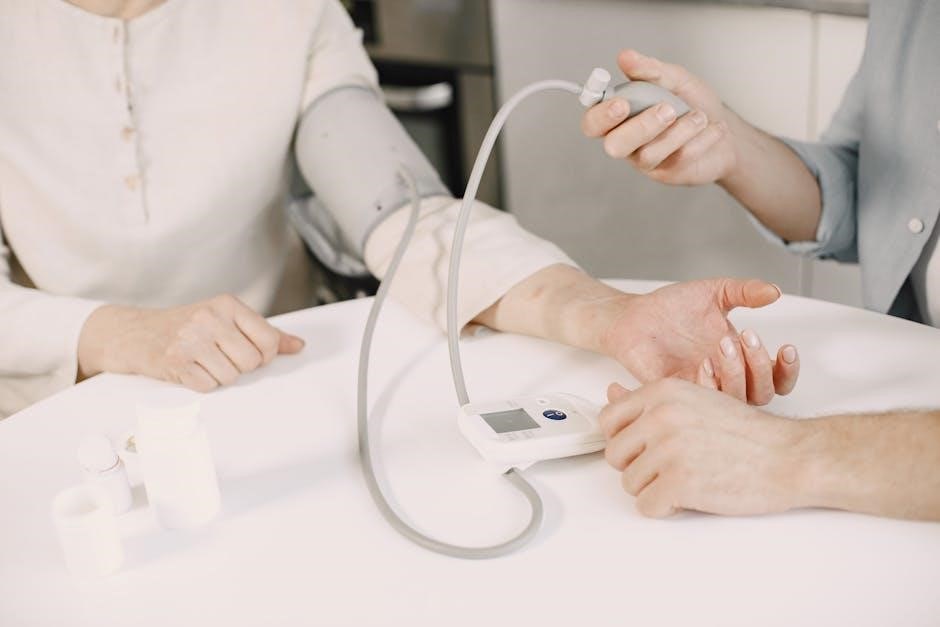
Sepsis, marked by improper infection response and potentially low blood pressure, requires immediate care; blood transfusions may also impact readings – consult a doctor.
Symptoms of Sepsis & Blood Pressure
Sepsis is a life-threatening condition arising from the body’s overwhelming response to an infection. Initially, symptoms can mimic the flu – fever, chills, rapid breathing, and heart rate. However, as sepsis progresses, more severe signs emerge, crucially including a dramatic drop in blood pressure, potentially leading to septic shock.
This decline in blood pressure occurs because the infection-fighting processes begin to damage the body’s organs, hindering their function. Early recognition is paramount, as prompt treatment significantly improves outcomes. Monitoring blood pressure, even with a free printable log, can help identify concerning trends. Other symptoms include confusion, disorientation, shortness of breath, and extreme pain or discomfort. If you suspect sepsis, seek immediate medical attention; it’s a medical emergency.
Blood Transfusions & Blood Pressure
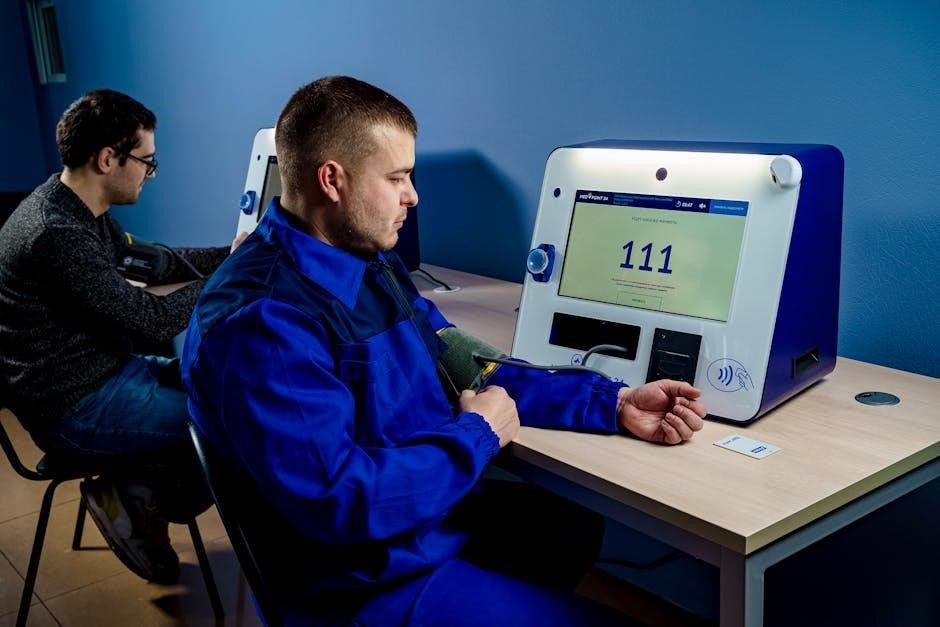
Blood transfusions are frequently administered to replace blood lost during surgery or injury, or when blood components aren’t functioning correctly. While generally safe, transfusions can influence blood pressure. Sometimes, a rapid transfusion can temporarily increase blood pressure due to the increased blood volume.
Conversely, if a transfusion is given to address significant blood loss, monitoring blood pressure is vital to ensure it doesn’t drop too low. Healthcare professionals closely monitor patients during and after transfusions, tracking vital signs like blood pressure. Maintaining a record, even using a free printable log, can be helpful for personal tracking post-transfusion, noting any fluctuations. Any significant changes should be reported to your doctor immediately.