jandy jxi troubleshooting guide
Jandy JXi Troubleshooting Guide: An Overview
This comprehensive guide details troubleshooting for Jandy JXi heaters, covering control methods like fireman switches and RS-485 connections.
It addresses common issues – from no power to ignition failures – and provides diagnostic steps for error codes, ensuring optimal pool heating performance.
Jandy JXi heaters represent a popular choice for maintaining comfortable pool and spa temperatures, known for their efficiency and reliability. However, like any heating system, they can encounter issues requiring troubleshooting. These heaters utilize various control mechanisms, including traditional fireman switch/dry contact connections and advanced Serial RS-485 communication for integration with modern pool automation systems.
Understanding these control methods is crucial for effective diagnostics. The JXi series encompasses models like JXiQ, JRT, and JE, each potentially exhibiting unique characteristics. Common problems range from simple issues like a pump not running, to more complex scenarios involving ignition failures or specific error codes; This guide aims to provide a structured approach to identifying and resolving these issues, ensuring your Jandy JXi heater operates optimally, extending its lifespan and maximizing your enjoyment.
Understanding JXi Control Methods
Jandy JXi heaters offer flexible control options, primarily through legacy fireman switch connections and modern Serial RS-485 digital communication. Dry contact/fireman switch setups allow external controllers – like The Attendant – to manage the heater’s on/off state based on desired water temperature setpoints. This is a simpler, traditional method.
However, the RS-485 connection unlocks advanced functionality. It enables controllers to not only manage the heater’s operation and setpoints but also to actively read and interpret error codes reported directly by the JXi unit. This diagnostic capability is invaluable for pinpointing the root cause of problems. Understanding which control method your system utilizes is the first step in effective troubleshooting, as the diagnostic approaches differ significantly between the two.

Common Jandy JXi Problems & Solutions
This section outlines frequent JXi heater issues, including startup failures, ignition problems, and error codes, providing targeted solutions for quick and effective repairs.
Problem 1: Heater Not Turning On
A Jandy JXi heater failing to power on is a common issue with several potential causes. First, verify the pump is running, as the heater relies on water flow to activate. Low pump pressure can also prevent operation; ensure adequate flow is present. A faulty pressure switch is another frequent culprit, interrupting the circuit if pressure is insufficient.
If utilizing a variable speed pump, confirm the settings aren’t too low, hindering heater activation. Insufficient water flow triggers safety mechanisms. Additionally, check for tripped breakers or blown fuses in the electrical panel supplying the heater. Finally, examine the fireman switch or RS-485 connection for proper signaling, as these control the heater’s on/off state; Thoroughly investigating these areas will pinpoint the source of the problem.
Sub-Problem 1.1: Pump Not Running
If the pool pump isn’t running, the Jandy JXi heater won’t activate due to the flow sensor safety feature. Begin by checking the pump’s power supply – verify the breaker hasn’t tripped and the pump receives voltage. Inspect the pump motor for any visible damage or obstructions. A stuck or failed pump capacitor is a common cause of pump failure; testing or replacing it may be necessary.
Also, examine the pump basket for debris, ensuring unrestricted water flow. If the pump attempts to run but fails, it could indicate an impeller issue. Finally, confirm the pump’s timer or automation system is correctly programmed to run during desired heating times. Addressing these points will help restore pump operation and enable the heater.
Sub-Problem 1.2: Low Pump Pressure
Insufficient water flow prevents the Jandy JXi heater from igniting, triggering a safety shutdown. First, verify the filter is clean; a clogged filter drastically reduces pressure. Inspect the skimmer and pump baskets for obstructions like leaves or debris, hindering water intake. Check for any leaks in the plumbing before or after the pump, as these cause pressure loss.
A partially closed valve on the suction or return side can also restrict flow. For variable speed pumps, ensure the pump speed is set adequately to deliver the required flow rate for the heater. If issues persist, inspect the impeller for damage or wear. Correcting these issues will restore proper water pressure and allow the heater to function safely.
Sub-Problem 1.3: Pressure Switch Fault
The pressure switch is a critical safety component, verifying adequate water flow before allowing ignition. A faulty switch can falsely indicate low flow, preventing the heater from starting, even with sufficient pressure. Visually inspect the switch for any physical damage or corrosion. Check the wiring connections to ensure they are secure and free from breaks.
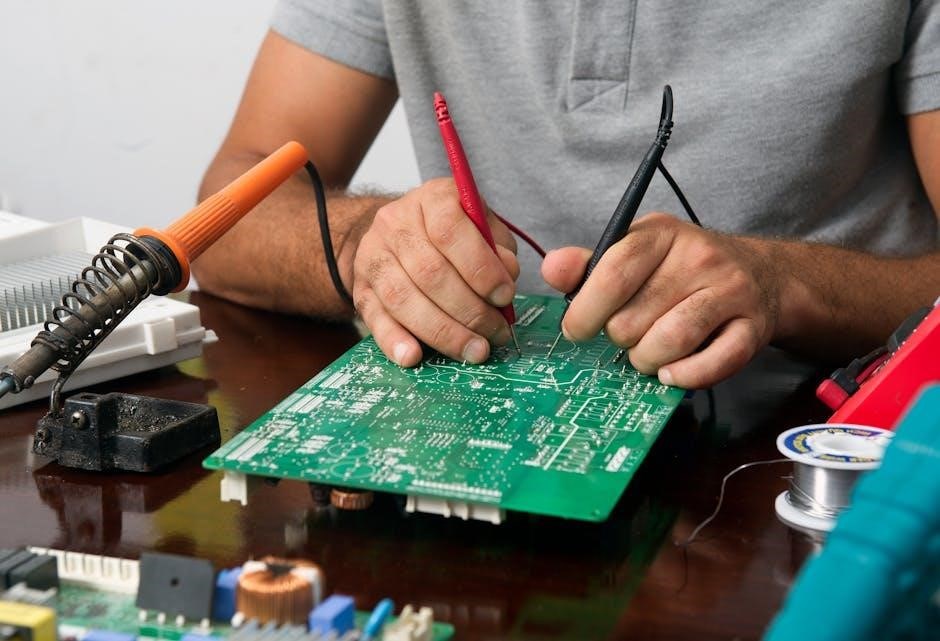
Sometimes, debris can obstruct the pressure switch’s sensing port. Gently blow out the port with compressed air to remove any blockages. If the switch continues to fail, it likely needs replacement. Testing with a multimeter can confirm if the switch is opening and closing correctly with pressure changes. Always prioritize safety and disconnect power before working on electrical components.
Sub-Problem 1.4: Variable Speed Pump Settings
Jandy JXi heaters require a minimum flow rate to operate safely and efficiently. Variable speed pumps, while energy-saving, can sometimes be programmed with settings too low for the heater. Verify the pump’s speed is set to a level that provides adequate flow, typically indicated in the heater’s manual – often around 10-12 GPM.
Many variable speed pumps have dedicated “heater” modes designed to maintain sufficient flow. Experiment with different speed settings, observing the heater’s response. If the heater still fails to ignite, temporarily increase the pump speed to the maximum to rule out flow rate as the issue. Remember to document the original settings before making changes, and consult the pump’s manual for specific programming instructions.
Problem 2: Ignition Failure
Ignition failure is a common issue with Jandy JXi heaters, preventing the burner from lighting and halting heat production. This can stem from several causes, requiring systematic troubleshooting. Initial checks should focus on gas supply – ensuring the valve is open and gas is reaching the heater. A lack of gas pressure will obviously prevent ignition.
However, more frequently, the problem lies within the heater’s ignition system itself. Flame sensing failures are a primary culprit, where the sensor doesn’t detect the flame and shuts down the ignition process. Carefully follow the “Check Ignition Steps” outlined in the Jandy manual, paying close attention to the sequence and timing. A faulty ignition control board can also be the root cause.
Sub-Problem 2.1: Flame Sensing Failure
Flame sensing failure occurs when the Jandy JXi’s flame sensor doesn’t reliably detect the presence of a flame after ignition is attempted. This safety mechanism immediately shuts off the gas supply, preventing potential hazards. A dirty or corroded flame sensor is a frequent cause; carefully clean the sensing rod with fine steel wool or sandpaper.
Electrical connectivity is also crucial – ensure the wiring to the flame sensor is secure and free from damage. A weak or intermittent connection can send false signals to the control board. If cleaning and connection checks don’t resolve the issue, the flame sensor itself may be defective and require replacement. Remember to consult the Jandy JXi manual for specific testing procedures and component specifications.
Sub-Problem 2.2: Check Ignition Steps
When facing ignition failure, systematically verifying the ignition sequence is vital. First, confirm the gas valve opens during the ignition attempt – a clicking sound usually indicates operation. Next, observe the spark electrode; a strong, consistent spark is essential for igniting the gas. Ensure the electrode isn’t damaged or obstructed.
Proper gas pressure is also critical; low gas pressure can prevent successful ignition. Check the gas supply line and regulator. If the spark and gas are present, but ignition still fails, the flame sensor might be the culprit (see Sub-Problem 2.1). Following these steps, documented in the Jandy JXi manual, will help pinpoint the cause and restore heater functionality.
Problem 3: Error Codes & Diagnostics
Jandy JXi heaters utilize error codes to signal malfunctions, streamlining the diagnostic process. These codes, displayed via the heater’s control panel or through connected automation systems (using RS-485 connections), pinpoint the source of the issue. Understanding these messages is crucial for efficient repair.
Service Diagnostic Messages and Ignition Control LED Service Codes (detailed in the Jandy JXi Installation and Operation Manual) provide specific insights. Common errors relate to pump operation, water temperature limits, and ignition failures. Deciphering these codes allows technicians to focus on the relevant components, reducing troubleshooting time and ensuring accurate repairs. Always consult the manual for a complete code list and corresponding solutions.
Sub-Problem 3.1: Understanding Service Diagnostic Messages
Jandy JXi heaters communicate issues through service diagnostic messages, displayed on the control panel or via automation systems utilizing RS-485 connections. These aren’t simply error codes; they offer clues about the underlying problem. For example, a message indicating “Pump is not running” immediately directs attention to the pool pump and its associated circuitry.
Other messages might point to low pump pressure, a faulty pressure switch, or excessively high water temperatures. Referencing the Jandy JXi Installation and Operation Manual is paramount, as it details each message’s specific meaning and recommended troubleshooting steps. Accurate interpretation of these messages significantly reduces diagnostic time and ensures targeted repairs.
Sub-Problem 3.2: Ignition Control LED Service Codes
The Jandy JXi heater’s ignition control board utilizes LED flashes to convey service codes, offering a quick diagnostic check without needing external tools. These codes, detailed in the Jandy JXi manual, represent specific fault conditions within the ignition system. For instance, a rapid flashing LED might indicate a flame sensing failure, while a different pattern could signal an issue with the gas valve or ignition transformer.
Decoding these LED patterns requires careful observation and reference to the manual. Understanding the sequence – the number of flashes and their duration – is crucial for accurate diagnosis. These codes provide valuable insight into the ignition process, helping pinpoint the source of ignition-related problems efficiently.
Specific Error Code Troubleshooting
Decoding error codes is vital for JXi heater repair. Common issues include excessively high water temperatures, pressure switch malfunctions, and ignition control failures, each requiring unique solutions.
Error Code: Water Temperature Too High
A “Water Temperature Too High” error on your Jandy JXi heater signals a critical issue demanding immediate attention. This typically indicates the water circulating through the heater has exceeded the internal safety limit, potentially triggering the high limit switch (150°F or 135°F). Several factors can contribute to this problem.

First, verify adequate water flow. A failing pump, low pump speed (especially with variable speed pumps), or obstructions in the plumbing can restrict circulation. Second, check the thermostat settings to ensure they aren’t set excessively high. Third, inspect the heat exchanger for scaling or debris buildup, which reduces heat transfer efficiency. Finally, a malfunctioning high limit switch itself could be falsely reporting the temperature. Carefully examine all these components to diagnose and resolve the overheating issue, preventing potential damage to the heater.
Error Code: Pressure Switch Issues
An error code related to the pressure switch on your Jandy JXi heater signifies a problem with water flow detection. The pressure switch is a crucial safety component, preventing the heater from igniting if insufficient water flow is present. This protects the unit from overheating and damage. Common causes include a faulty pressure switch itself, low pump pressure due to a failing pump or clogged filter, or air trapped within the plumbing.
Troubleshooting involves verifying adequate pump operation and checking for obstructions. Inspect the pressure switch for corrosion or damage. If the pump is a variable speed model, ensure it’s set to a sufficient flow rate. Bleeding air from the system is also essential. A malfunctioning pressure switch requires replacement by a qualified technician to restore safe and reliable heater operation.

Error Code: Ignition Control Problems
Ignition control problems, indicated by a specific error code on your Jandy JXi heater, often point to issues within the ignition system itself. These can range from a faulty ignition module to a defective flame sensor. The flame sensor is critical; it confirms the presence of a flame after ignition, and a failure here will shut down the heater as a safety precaution.
Troubleshooting begins with checking the ignition steps – ensuring gas supply and proper voltage. A Flame Sensing Failure is a frequent cause, requiring inspection of the sensor’s cleanliness and connection. If the problem persists, the ignition module may need replacement. Service Diagnostic Messages and Ignition Control LED Service Codes, detailed in the JXi manual, provide further clues for pinpointing the exact issue. Always consult a qualified technician for complex ignition system repairs.

Jandy JXi Components & Their Role in Troubleshooting
Key components – the fireman switch, high limit switches (150F/135F), and pressure switch – are vital for safe operation and effective troubleshooting of your Jandy JXi heater.
The Role of the Fireman Switch
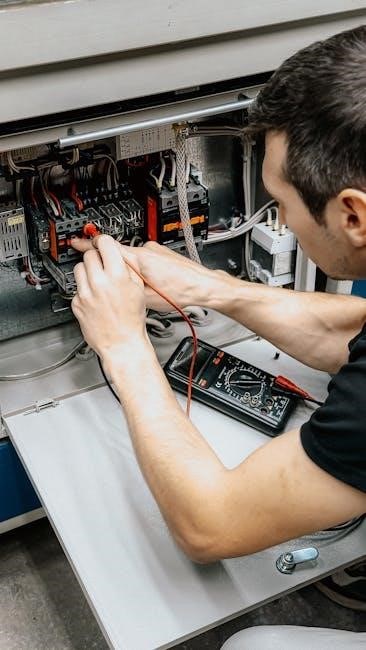
The fireman switch, also known as a dry contact connection, serves as a crucial safety mechanism in Jandy JXi heaters. It traditionally allows external control of the heater’s on/off state, often managed by a pool’s attendant system to maintain a desired water temperature. Essentially, it acts as a bridge, completing the circuit to activate the heater when the thermostat calls for heat.
When troubleshooting, a faulty fireman switch is a common culprit if the heater won’t ignite. Verify the switch is properly wired and functioning correctly; a break in the connection prevents heater activation. Modern systems increasingly utilize Serial RS-485 connections for more advanced control and diagnostics, but the fireman switch remains a viable, and often necessary, control method for many installations. Checking its continuity is a fundamental first step in diagnosing heater issues.
Understanding High Limit Switches (150F, 135F)
High limit switches, typically set at 150°F and 135°F, are critical safety components within the Jandy JXi heater. Their primary function is to prevent overheating, safeguarding the unit from potential damage and ensuring safe operation. These switches automatically shut down the heater if the water temperature exceeds the designated thresholds, protecting against potentially hazardous conditions.
Troubleshooting often involves checking these switches for continuity. A tripped high limit switch indicates an underlying issue, such as restricted water flow or a malfunctioning thermostat. Simply resetting the switch isn’t a solution; the root cause must be identified and addressed. Ignoring a tripped high limit switch can lead to repeated shutdowns and eventual heater failure. Regular inspection and understanding their role are vital for preventative maintenance.
Importance of the Pressure Switch
The pressure switch is a fundamental safety device in the Jandy JXi heater, ensuring water flow is sufficient before allowing ignition. It prevents the heater from firing if water pressure is too low, protecting the heating elements from damage due to dry firing – a potentially catastrophic event. This switch monitors the flow of water through the heater, and if it detects insufficient pressure, it interrupts the electrical circuit, preventing operation.
Troubleshooting often centers on this switch when a heater won’t start. Common causes include clogged filters, a closed valve, or a failing pump. Checking for continuity and verifying adequate water pressure are key diagnostic steps. A faulty pressure switch itself can also be the culprit, requiring replacement. Maintaining proper water flow is paramount for reliable JXi heater performance and longevity.
Advanced Troubleshooting Techniques
Utilizing serial RS-485 connections allows for in-depth diagnostics and error code retrieval, while integration with pool automation systems streamlines control and monitoring capabilities.
Using Serial RS-485 Connections for Diagnostics
Serial RS-485 connections offer a significant advantage over traditional fireman switch methods, enabling comprehensive diagnostic capabilities for Jandy JXi heaters. Unlike simple on/off status, RS-485 allows for real-time data exchange, including the retrieval of specific error codes directly from the heater’s control board.
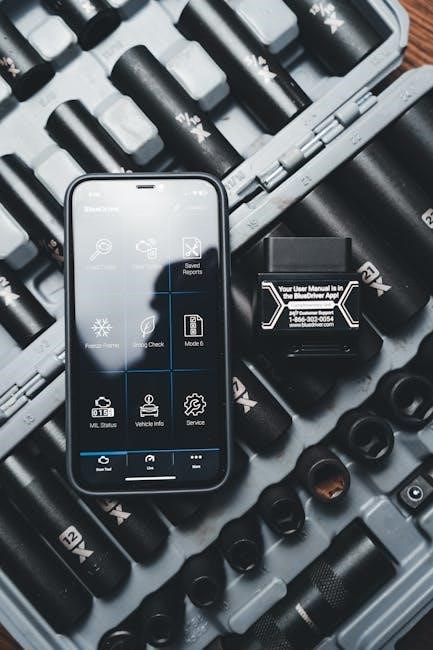
This detailed error reporting is invaluable for pinpointing the root cause of issues, moving beyond guesswork. Technicians can access information regarding water temperature, pressure switch status, and ignition failures with precision. Utilizing compatible software and interface devices, the heater’s internal diagnostics can be accessed remotely, reducing on-site troubleshooting time.
Furthermore, RS-485 facilitates firmware updates, ensuring the heater operates with the latest improvements and bug fixes. Properly configured, this connection method provides a robust and efficient pathway for advanced troubleshooting and preventative maintenance, maximizing the lifespan and performance of the Jandy JXi heater.
Integrating with Pool Automation Systems
Seamless integration with pool automation systems dramatically enhances the functionality and troubleshooting capabilities of Jandy JXi heaters. Modern systems, like those utilizing the “Attendant” platform, can leverage both legacy fireman switch connections and advanced Serial RS-485 communication. This dual approach provides flexibility and compatibility across various setups.
Automation allows for precise temperature control, scheduling, and remote monitoring of the heater’s status. When issues arise, the system can often provide detailed error messages and diagnostic information, streamlining the troubleshooting process. Furthermore, automation can implement safety features, such as automatic heater shutdown in case of critical errors, preventing potential damage.
By centralizing control and monitoring, pool owners and technicians gain a holistic view of the entire system, facilitating quicker identification and resolution of problems. This integration ultimately leads to improved efficiency, reduced energy consumption, and a more enjoyable pool experience.
Preventative Maintenance for Jandy JXi Heaters
Regular inspections of components, alongside diligent water chemistry management, are crucial for maintaining peak JXi heater performance and preventing costly future troubleshooting.
Regular Inspection of Components
Consistent visual checks of your Jandy JXi heater’s components are paramount for preventative maintenance. Begin by inspecting the fireman switch and ensuring its connections are secure and free from corrosion, as this directly impacts heater control.
Carefully examine the high limit switches (150F and 135F) for any signs of damage or malfunction; these are critical safety features. The pressure switch should also be visually inspected for leaks or obstructions, as a faulty pressure switch can prevent the heater from igniting.
Furthermore, check all wiring connections for tightness and insulation integrity. Look for any signs of wear and tear on the heater’s casing or components. Addressing these minor issues proactively can prevent significant problems and extend the lifespan of your JXi heater, saving you time and money on repairs.
Water Chemistry & Heater Performance
Maintaining proper pool water chemistry is intrinsically linked to the efficient operation and longevity of your Jandy JXi heater. Imbalanced water, particularly low pH or alkalinity, can lead to corrosion of internal heater components, reducing its lifespan and performance.
Scale buildup from high calcium hardness can also impede heat transfer, forcing the heater to work harder and consume more energy. Regularly test and adjust your pool water chemistry to adhere to recommended levels.
Consistent water balance minimizes the risk of damage to the heat exchanger and other vital parts. Ignoring water chemistry can void warranties and necessitate costly repairs. Prioritizing water quality is a crucial aspect of preventative maintenance for your JXi heater, ensuring reliable and efficient heating for years to come.
Resources & Further Help
Access Jandy JXi manuals and documentation online for detailed information. Explore online forums and communities for shared experiences and troubleshooting assistance from fellow pool owners.
Jandy JXi Manuals & Documentation
Locating the official Jandy JXi documentation is crucial for effective troubleshooting and understanding your heater’s specific features. Jandy provides comprehensive installation and operation manuals accessible through their website and various online resources like ManualsLib. These manuals detail component locations, wiring diagrams, error code explanations, and step-by-step instructions for maintenance procedures.
Referencing the manual allows you to accurately interpret service diagnostic messages and ignition control LED service codes, as outlined in the JXi 200 Installation and Operation Manual. Understanding these codes is paramount for pinpointing the root cause of issues. Always ensure you have the correct manual version corresponding to your specific JXi model (JXi, JXiQ, JRT, or JE) for accurate information. Digital copies offer convenient searching and portability, while physical copies are useful for poolside reference.
Online Forums & Communities
Engaging with online forums and communities dedicated to pool maintenance and Jandy heaters can provide invaluable support during troubleshooting. These platforms host a wealth of shared experiences, solutions to common problems, and expert advice from seasoned pool professionals and fellow owners.
Searching these forums often reveals discussions addressing specific JXi error codes, ignition failures, or pump-related issues. You can find detailed explanations, DIY repair guides, and insights into less common problems not fully covered in the official documentation. Sharing your specific issue and receiving feedback from the community can accelerate the diagnostic process. Remember to verify information and exercise caution when implementing suggested solutions, always prioritizing safety and adherence to manufacturer guidelines.